Water heaters are vital for comfort in any home, providing the necessary hot water for showers, dishwashing, and laundry. When issues arise—such as the dreaded cold shower—homeowners often face a crucial decision: tackle the repair themselves or call in a professional. Understanding the nuances of both options can help you make an informed choice that balances cost, safety, and effectiveness.
Understanding Your Water Heater System
Before diving into DIY repairs or contacting a service technician, it is essential to familiarize yourself with how your water heating system operates. Most residential water heaters fall into two categories: tank and tankless systems. Tank heaters store hot water in a large tank, while tankless models heat water on demand.
Each type expansion tank repair has its own set of common issues. For instance, tank systems may experience sediment buildup over time, leading to inefficiency or even failure. Meanwhile, tankless units might have trouble with scale buildup affecting their heating efficiency. Awareness of these potential pitfalls can guide you when considering repairs.
Common Problems with Water Heaters
Some typical problems include:
- No Hot Water: This could stem from electrical issues or malfunctioning thermostats. Leaking Water Heater: A leak can indicate corrosion or faulty connections. Pilot Light Issues: For gas models, an extinguished pilot light typically requires attention. Sediment Buildup: Over time, minerals can accumulate at the bottom of a tank heater. Heating Element Failure: Electric heaters can suffer from burnt-out heating elements.
Each problem varies in severity and complexity, influencing whether a DIY approach is feasible.
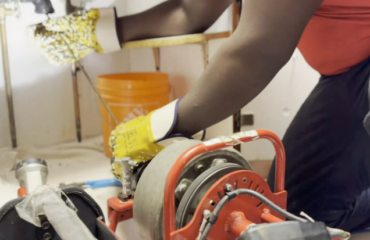
The Case for DIY Repairs
Many homeowners opt for DIY repairs to save money and gain hands-on experience. Simple tasks like flushing tanks to remove sediment buildup or replacing anode rods can be tackled with relative ease. YouTube offers countless tutorials demonstrating these tasks step-by-step.
For example, if your water heater is not heating properly due to sediment accumulation, performing a flush could restore its efficiency without calling a plumber. Typically requiring only basic tools like a garden hose and screwdriver, this task might take about an hour if done correctly.
However, before embarking on any DIY project related to your water heater, consider these factors:
Skill Level: Assess your comfort with plumbing tasks. Some repairs demand technical skills that might exceed your capabilities. Time Commitment: DIY projects can become time-consuming if complications arise. Safety Concerns: Gas leaks or electrical issues present substantial risks if mishandled. Warranty Implications: Many manufacturers void warranties if unauthorized repairs are attempted.Engaging in minor repairs provides not only financial savings but also the satisfaction of solving problems independently. Yet it is crucial to recognize when the risk outweighs the potential benefits.
When to Call in Professionals
While some repairs may seem straightforward initially, certain situations warrant professional intervention. Complex commercial water heating system repairs issues such as leaking tanks or electrical failures should be addressed by certified technicians experienced in residential water heater service.
Professional plumbers possess the expertise and specialized tools required for intricate tasks like thermostat replacements or pressure relief valve repairs. They also understand local codes and regulations governing installations and repairs—knowledge that can prevent costly fines down the line.
For instance, if you encounter a persistent leak that seems beyond simple fixes, calling for professional help is wise. A technician will identify whether it's due to corrosion or improper installation rather than guesswork that could lead to further damage.
Benefits of Hiring Professionals
Engaging professionals comes with several advantages:
- Expertise: Technicians bring years of training and experience in various systems. Safety Assurance: Experts manage risks associated with gas lines and electrical components effectively. Warranty Protection: Professional service usually preserves manufacturer warranties. Speedy Resolution: Trained technicians can diagnose issues quickly and implement solutions efficiently.
Ultimately, hiring professionals ensures peace of mind knowing experts handle potentially hazardous situations correctly.
Weighing Costs Against Risks
Cost considerations play heavily into whether homeowners choose DIY fixes or professional solutions. Performing simple maintenance like flushing sediment may save money upfront but remember that significant mistakes during complex repairs can lead to costly consequences later on.
Consider this scenario: attempting to replace a heating element without proper knowledge could result in potential electrical hazards or even damage to other components within your system. In contrast, paying for professional assistance up front may eliminate unforeseen expenses caused by missteps during self-repair efforts.
In terms of expense comparisons:
- A DIY flush might cost around $20 (hose and materials). A professional flush service could average $100 - $150 depending on locale.
The short-term savings from tackling minor jobs could yield long-term costs if they escalate into larger problems requiring professional repair down the road.
Maintenance as Prevention
Whichever route you choose—DIY repair or hiring professionals—regular maintenance plays an integral role in extending your water heater’s lifespan and efficiency. Regular inspections ensure everything operates smoothly while addressing minor issues before they evolve into major headaches.
Establishing a routine involves periodic checks such as:
Flushing sediment buildup annually. Inspecting anode rods every few years; replacement should occur when they become less than 50% effective. Testing pressure relief valves yearly; ensure they release pressure correctly during operation. Monitoring temperature settings; keeping them below 120°F conserves energy while preventing scalding injuries.Investing time into consistent maintenance protects against unexpected breakdowns while enhancing overall performance—a proactive approach reaping rewards over time rather than reacting post-failure scenarios later on.
Conclusion
Navigating between DIY projects and hiring professionals for water heater repair hinges on understanding your capabilities alongside the system's complexities involved in each job at hand; both choices carry weighty considerations concerning safety versus expense-effective measures taken beforehand regarding minor upkeep through regular care practices established early on compared against urgent calls needing immediate response services later when things go awry unexpectedly! Ultimately choosing wisely saves resources ultimately leads toward achieving greater peace-of-mind overall concerning home utilities operating smoothly throughout seasons ahead regardless challenges posed!